Hi Guest Login
Upload Prescription

Home > Physiotherapy > Interferential Therapy Ift > Faridabad

Interferential Therapy (IFT) in Faridabad is delivered by trained physiotherapists who specialise in evidence-based pain management and rehabilitation. This advanced electrotherapy technique is designed to relieve musculoskeletal pain, reduce inflammation, and support functional recovery in a safe and controlled manner. Whether you are managing chronic back pain, knee discomfort, or recovering after surgery, interferential therapy can form an important part of a structured physiotherapy plan tailored to your needs.
Interferential therapy is a form of electrotherapy widely used in physiotherapy to manage pain and accelerate tissue healing. It involves the application of two medium-frequency electrical currents that intersect within the body to produce a low-frequency therapeutic effect. This allows the stimulation to penetrate deeper tissues while remaining comfortable on the skin surface.
In interferential therapy in physiotherapy, electrodes are carefully placed around the painful or injured area. The interacting currents help reduce pain signals, improve circulation, and decrease muscle spasm. Interferential current therapy is commonly used for musculoskeletal conditions affecting the back, knees, neck, and shoulders. It is a non-invasive, clinically approved treatment that forms part of a structured rehabilitation programme tailored to the patient’s diagnosis.
Different types of interferential therapy are selected based on the patient’s condition, pain intensity, and treatment goals. These variations adjust the frequency and pattern of electrical stimulation to achieve specific therapeutic outcomes. Key types are as follows:
Interferential therapy is widely used in physiotherapy because of its ability to manage pain while supporting natural healing. By delivering controlled electrical stimulation to deeper tissues, it assists in both symptom relief and functional recovery. When incorporated into a structured rehabilitation plan, it enhances overall treatment outcomes. The key benefits of interferential physiotherapy include:
Interferential therapy is commonly recommended for a wide range of musculoskeletal and nerve-related conditions. Its ability to target deeper tissues makes it particularly useful in managing persistent pain and movement restrictions. In clinical practice, it is often combined with exercise therapy and manual techniques to achieve better functional outcomes. Interferential therapy in physiotherapy is typically used for the following conditions:
Interferential therapy is suitable for individuals experiencing pain, stiffness, or movement limitations that affect daily activities. It is commonly recommended when conservative management is preferred and when patients wish to avoid excessive reliance on medication. Following a professional assessment, physiotherapists determine whether IFT can support recovery alongside exercise and manual therapy. This treatment may particularly benefit:
Interferential therapy is recommended when pain begins to interfere with daily activities, work responsibilities, or sleep quality. It is particularly helpful when symptoms persist beyond the expected healing period or when discomfort returns repeatedly. Early physiotherapy intervention can prevent further strain and reduce the likelihood of chronic pain development. You should consider a professional assessment if you experience:
Interferential therapy is considered safe when administered by a qualified physiotherapist. The electrical stimulation used in treatment is controlled and adjusted according to individual tolerance levels. Most patients find the procedure comfortable, with minimal risk of complications. However, as with any therapeutic modality, mild and temporary reactions may occur in some cases. Possible side effects include:
Choosing the right physiotherapy provider plays a crucial role in achieving safe and effective outcomes. Interferential therapy requires accurate assessment, correct electrode placement, and appropriate intensity selection. A structured and personalised approach ensures that treatment targets the root cause of pain rather than only addressing symptoms. Patients opting for MAX@Home can expect:

Read More
Physiotherapists are professionals trained in employing physical methods to help patients manage pain, enhance mobility, and rehabilitate from injuries. MAX@Home brings these services directly to your home, ensuring comfort, convenience, and personalized care.

At MAX@Home, we provide specialised pain management programs

At MAX@Home, we provide specialised Wellness Programs for your care.

At MAX@Home, we provide specialised Post-Surgical Physiotherapy
At MAX@Home, we provide specialised Advanced Rehabilation Programs
Physiotherapists are doctors who have been trained to use physical methods to help patients feel less pain and improve or restore their mobility.




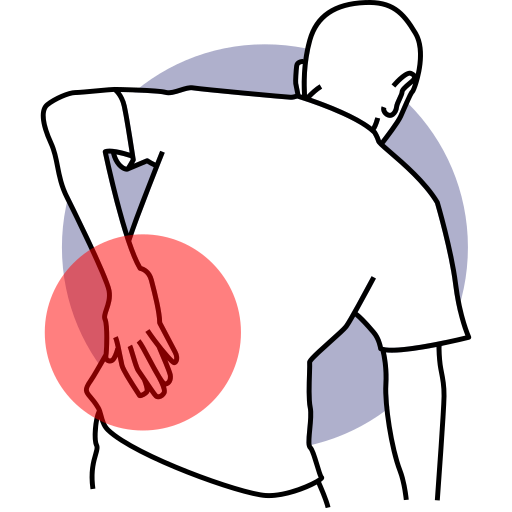
Physiotherapy for Back Pain

Physiotherapy for Cracking Joints
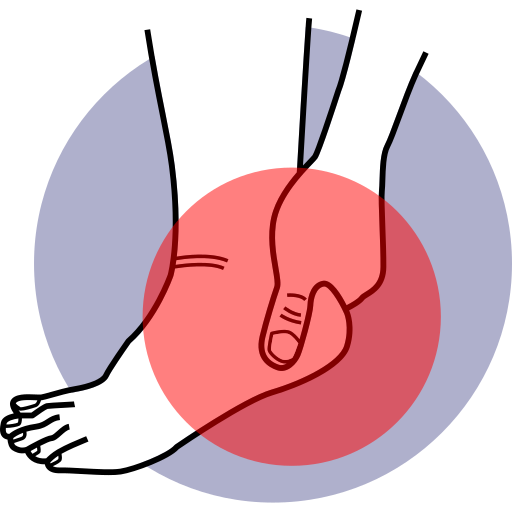
Physiotherapy for Foot Pain

Physiotherapy for Headache
Physiotherapy for Inflammation
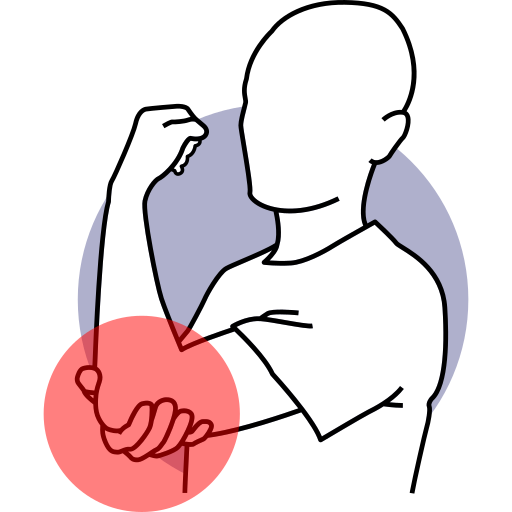
Physiotherapy for Joint Pain
Physiotherapy for Loss of Balance
Physiotherapy for Muscle Spasm
Physiotherapy for Muscle Stiffness
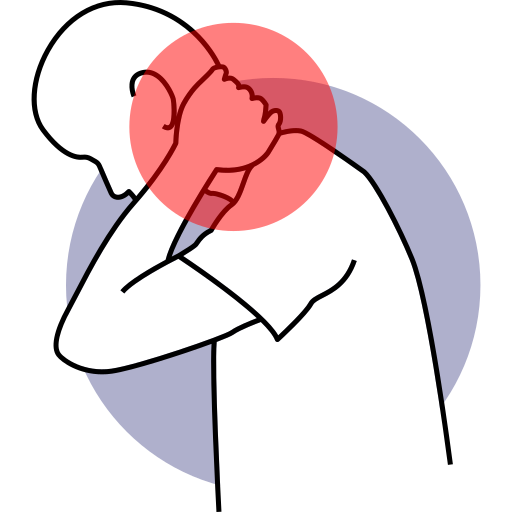
Physiotherapy for Neck Pain
Physiotherapy for Shoulder Pain
Physiotherapy for Tremors
Frozen Shoulder Physiotherapy
Chondromalacia Patella Physiotherapy
Lymphedema Physiotherapy
Retrolisthesis Physiotherapy
Vertigo Physiotherapy
Achilles Tendon Rupture Physiotherapy
Ankle Sprain Physiotherapy
Cerebral Palsy Physiotherapy
Congenital Talipes Equinovarus (CTEV) Physiotherapy
Hemiplegia Physiotherapy
Meralgia Paresthetica Physiotherapy
Cervical Spondylosis Physiotherapy

The Role of Physiotherapy in Managing Cervical Pain
Cervical pain, commonly known as neck pain, is a widespread issue that affects many people at some p...
SGPT and SGOT Normal Range and Danger Levels: Symptoms, Risks, and Testing
SGPT (Serum Glutamate Pyruvate Transaminase) and SGOT (Serum Glutamate Oxaloacetate Transaminase) ar...

Understanding Normal Serum Creatinine Levels by Age and Gender: High, Low & Healthy Ranges Explained
Our kidneys work tirelessly to filter out waste and toxins such as urea, salts, electrolytes, and cr...

What is ESR Test: Normal Range And Possible Reasons For High ESR Levels
The Erythrocyte Sedimentation Rate (ESR) is a simple blood test that helps detect inflammation in th...
TSH Normal Range: Understanding Thyroid Levels by Age, Gender, and Health Conditions
Thyroid disorders are becoming increasingly common around the world, yet many people with thyroid im...
Gurgaon

I opted for GDA services from Max@Home and even though I was initially sceptical...
Delhi
The services provided by Max@Home were truly a blessing. The spontaneous and eff...
New Delhi
My name is Pallavi Shrivastava, and I was suffering from severe kidney problems...
Noida
I cannot thank Max@Home enough for the kind gesture that they have shown; I trie...
Delhi
My name is Sunil Singh, and last year I suffered from a severe cerebrovascular a...
Delhi
My name is Nishi Kashyap, and I opted for nursing procedure at home from Max@Hom...
My name is Nishi Kashyap, and I opted for home care services for the nursing pro...
Gurgaon
Had some tests done from Max at home. It was a smooth experience and Akhlaq Ahma...
Delhi
I have been availing MAX@Home services regularly for myself and family. Experien...
New Delhi
Mr Akhlaq form MAX@Home team came to my house for blood collection. He was perfe...
Noida
I had an excellent experience with the home blood collection service from MAX@Ho...
Delhi
Had a great experience with Ankit Kumar Singh from MAX@Home during a home blood...

 Call: 9240299624